Personalized Medical Care & Dedicated International Patient Concierge

Medical Guide
Profound RF Korea: An Asian-Skin Protocol Explained
Profound RF microneedling in Korea: the numbers behind NP Profound, and the Asian-skin protocol developed at TAE Plastic Surgery Clinic in Busan.
Schedule a ConsultationNP Profound RF Microneedling for US Patients: The Asian-Skin Protocol Explained
Medically reviewed by Dr. Kim Ki-Tae, Board-Certified Specialist in Plastic Surgery, issued by the Korean Society of Plastic and Reconstructive Surgeons
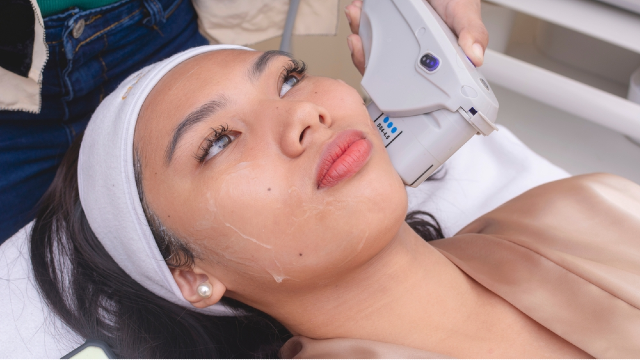
Profound RF in Korea is an energy-based lifting treatment that drives radiofrequency energy through fine needles into the deeper layers of the skin, rather than heating from the surface down. At TAE Plastic Surgery Clinic in Haeundae, Busan, it is delivered under a protocol its director developed specifically for Asian skin, because the manufacturer's standard protocol was designed around Western skin. This article sets out the numbers involved, what that protocol change is responding to, and what a treatment course realistically asks of you.
What the device is doing under the skin
NP Profound is a third-generation radiofrequency lifting device. Fine needles carry the energy past the surface and deliver it at depth, which is the distinguishing feature of the whole category: the outer layer is not asked to conduct heat down to the tissue you actually want to affect.
The clinic's own technical description of the device gives four figures, and they are worth reading together rather than separately:
- Needles that reach 3 mm
- A coagulation area 60 times wider than the needle itself
- Four tissue layers treated
- Two to three year retention, as stated by the clinic
The second figure is the one that explains the rest. A needle 3 mm long occupies almost no volume; the treated zone around each insertion is what does the work, and a coagulation footprint sixty times wider than the needle is what turns a grid of tiny punctures into continuous coverage. That geometry is also why the clinic positions the device as a lifting treatment rather than a superficial radiofrequency treatment, emphasizing deep delivery, simultaneous lifting and tightening, and a broad coagulation area.
Underneath all of it is a mechanism common to this class of device. Radiofrequency energy delivered into the dermis creates controlled thermal injury, and the repair response to that injury is what remodels collagen and elastin over the following weeks and months. Nothing is added to the face; the tissue is prompted to rebuild.
Why a protocol designed for Western skin needed changing
Among the named techniques documented in the clinic's own materials is a Profound protocol for Asian skin developed by Dr. Kim Ki-Tae. The stated reason is direct: the manufacturer's standard protocol is designed for Western skin. The stated aims of the adjusted protocol are to reduce swelling and to allow the lifting result to be confirmed quickly.
The reasoning here is not cosmetic preference, it is tissue behavior. Skin differs between populations in thickness, in the depth and density of the dermis, and in how readily it responds to thermal injury with pigment change. A device setting that produces a measured response in one tissue profile can produce more swelling, or a different pigmentary reaction, in another. Adapting depth and energy to the skin actually in front of you is ordinary good practice; what is unusual is a single-doctor practice documenting its own protocol rather than running the factory defaults.
That work is connected to the clinic's most specific external recognition. Candela, which manufactures Profound, recognized Dr. Kim Ki-Tae as a global key doctor for the device, and a training video was filmed with him for Profound users worldwide. It is worth being precise about what that is and is not: it is a manufacturer's recognition of clinical expertise with its device, and it is not a regulatory status, a safety endorsement or evidence about outcomes.
A comparable signal sits alongside it. The clinic hosted the Sciton Innovations Workshop, a live seminar held on its own premises for around fifty practitioners, including a delegation from Taiwan, at which Dr. Kim Ki-Tae covered the composition of that manufacturer's device range, delivered a lecture organizing the concept of prejuvenation, and presented cases from his own patients. Again, this speaks to standing among peers rather than to what any individual treatment will achieve.
Who the treatment suits
Suitable candidates are generally adults with mild-to-moderate skin laxity, reduced firmness, fine lines or early facial aging who want an energy-based alternative to an operation, and who hold realistic expectations with sufficient skin and tissue quality to respond.
The clinic identifies several situations calling for delay or a different plan: active skin infection or inflammation, significant uncontrolled medical conditions affecting healing, an active inflammatory skin disorder in the treatment area, and expectations the treatment cannot meet.
It is also worth being clear about the ceiling. Energy-based tightening and a surgical lift are different interventions addressing different degrees of the same problem. The clinical literature on facial rejuvenation describes surgical lifting as repositioning the deeper soft-tissue layer of the face and removing redundant skin — a structural change of a kind that a device working through the dermis does not attempt. Where laxity is advanced, the honest answer is that a device is the wrong tool, not a gentler version of the right one.
What a session involves
The sequence the clinic describes runs: consultation and facial assessment; marking of the treatment areas; cleansing and disinfection; local or topical anesthesia as appropriate; positioning of the microneedles in the selected areas; delivery of controlled bipolar radiofrequency energy at the target depth; repositioning of the applicator until the planned areas are covered; and cooling and soothing of the skin with post-treatment instructions. The clinic's guidance on anesthesia for this treatment is that it is typically performed under topical or local anesthesia, confirmed with you at consultation.
Recovery is longer than with radiofrequency treatments that do not breach the skin, precisely because the needles do. Swelling and bruising can be noticeable for several days, and some people need around a week or more before the treated area looks substantially settled. That is the trade-off the category makes: depth of delivery is bought with visible downtime.
Aftercare is straightforward — gentle cleansing, avoiding unnecessary touching or rubbing, avoiding excessive heat and strenuous activity during early recovery, and protecting the skin from sun exposure. The American Academy of Dermatology's guidance on wrinkle treatment reinforces that last point: sun protection is not an optional postscript to any treatment aimed at skin quality, because continued ultraviolet exposure works against the result you paid for.
Some tightening may be noticeable relatively early, but the collagen and elastin response develops progressively over subsequent weeks to months. Expecting the final answer at the two-week mark is expecting the wrong thing.
Risks, stated plainly
Expected short-term effects include swelling, redness, bruising, tenderness, temporary sensitivity and a tight or firm sensation. Beyond those, the clinic's guidance for this treatment identifies prolonged swelling or bruising, infection, pigment changes, burns, scarring, temporary numbness and uneven results as possible, with individual risk depending on treatment settings, skin condition and technique.
Pigment change deserves particular attention for anyone with a deeper skin tone, and it is one of the reasons a protocol matched to the skin being treated is not a marketing distinction. Thermal energy that produces no pigmentary response in one person can produce a lasting one in another.
There is a broader regulatory-safety context for this device category that is worth reading independently. A safety communication published by the U.S. Food and Drug Administration addresses potential risks associated with certain uses of radiofrequency microneedling. Reading it is a reasonable step for anyone considering any treatment in this class, anywhere.
Outcomes cannot be guaranteed. The clinic's stated retention figure of two to three years describes what it has observed, not a promise attached to an individual face.
Fitting it into a trip
Because visible swelling can last several days, a treatment scheduled tightly against a return flight or a social commitment is a scheduling problem rather than a clinical one. That is the kind of detail worth settling before you book rather than after. The clinic confirms the individual plan, including the number of areas and the expected settling time, at consultation — there is further detail about the practice for context. Appointments and questions go through the booking and enquiry page.
The Bottom Line
- NP Profound delivers radiofrequency through fine needles at depth; the clinic's stated figures are 3 mm needles, a coagulation area sixty times wider than the needle, four tissue layers treated and two to three year retention.
- Dr. Kim Ki-Tae developed a Profound protocol for Asian skin because the manufacturer's standard protocol was designed for Western skin, with the stated aims of reducing swelling and allowing the lifting result to be confirmed quickly.
- Candela recognized him as a global key doctor for the device and filmed a training video with him — a manufacturer's recognition of clinical expertise, not a regulatory status or an outcome claim.
- Recovery is longer than for non-needle radiofrequency treatment: several days of visible swelling and bruising, with around a week or more before the area looks settled.
Frequently Asked Questions
What makes Profound different from surface radiofrequency treatments?
The energy is carried past the skin surface by fine needles and released at depth, so the outer layer is not being asked to conduct heat down to the target tissue. The clinic positions it as a lifting treatment on that basis, emphasizing deep delivery and a broad coagulation area rather than superficial heating.
What do the numbers actually mean?
The clinic states 3 mm needles, a coagulation area sixty times wider than the needle, four tissue layers treated and two to three year retention. The coagulation figure is the important one: it describes how much tissue around each needle is affected, which is what turns separate insertions into continuous treatment.
Why does a protocol for Asian skin exist?
Because the manufacturer's standard protocol was designed for Western skin. Skin differs between populations in thickness, dermal structure and pigmentary response to heat, so depth and energy settings that suit one tissue profile may not suit another. The clinic's stated aims for its own protocol are less swelling and a lifting result that can be confirmed quickly.
Is there any downtime?
Yes. Recovery is longer than with radiofrequency treatments that do not penetrate the skin. Swelling and bruising can be noticeable for several days, and some people need around a week or more before the treated area looks substantially settled.
What anesthesia is used?
Typically topical or local anesthesia. The exact approach is confirmed with you at consultation.
What are the risks?
Swelling, redness, bruising, tenderness, temporary sensitivity and a tight sensation are expected short-term effects. Prolonged swelling or bruising, infection, pigment changes, burns, scarring, temporary numbness and uneven results are also possible, depending on settings, skin condition and technique.
How long do the results last?
The clinic states retention of two to three years. Some tightening may be noticeable relatively early, but the collagen and elastin response develops progressively over weeks to months, so the settled result is not visible immediately.
Is this an alternative to a facelift?
They address different degrees of the same problem. A surgical lift repositions the deeper soft-tissue layer and removes redundant skin, which a device working through the dermis does not attempt. Where laxity is advanced, an energy-based treatment is unlikely to be the right choice.
This article is for general informational purposes and does not constitute individualized medical advice, and it is not a self-diagnosis tool. Care described here is delivered in the Republic of Korea under Korean medical licensure rather than United States licensure, and the clinic is closed on Sundays and observes a daily lunch break, which affects scheduling for short international trips. Speak with a qualified plastic surgeon about your own circumstances before making any treatment decision.
More Articles
Continue reading our clinical guides.
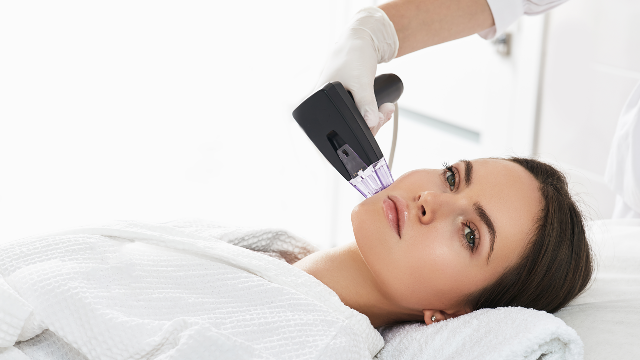
XERF Skin Tightening Korea: Dual Radiofrequency Depth
XERF skin tightening in Korea uses two monopolar radiofrequencies at 6.78 MHz and 2 MHz with three-stage depth control. How it works at TAE in Busan.
Learn More
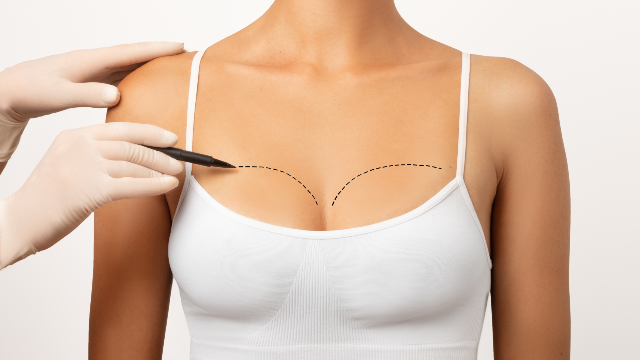
Trinity Breast Surgery Korea: A Combination Approach
Trinity Breast Surgery at TAE Plastic Surgery Clinic combines customized implant selection with fat transplantation and contouring in one surgical plan.
Learn More
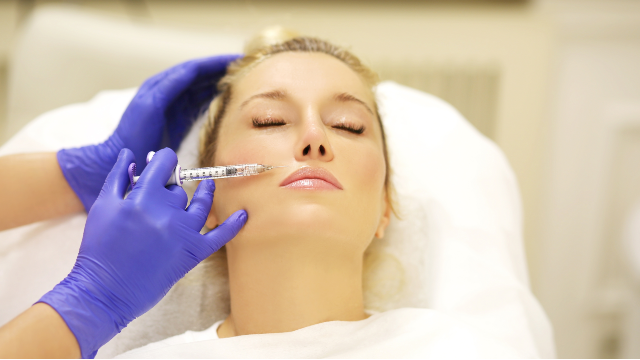
Skin Booster Korea: Matching the Booster to Your Skin
Skin booster Korea explained: how boosters differ from fillers, what the DoubleTite RF-plus-booster approach involves, and how the product is selected.
Learn More